

Dementia in Community
Together with Community
There's much to see here. So, take your time, look around, and learn all there is to know about us. We hope you enjoy our site and take a moment to drop us a line.
Welcome to Dementia in Community

Hello, I'm Tess Scarfe, and I'm so glad you've found your way here.
I had the privilege of working with Dementia Australia for three years after graduating from the University of Tasmania with a Diploma of Dementia Care in 2022. I've walked alongside people living with dementia and their families through some of life's most challenging moments. My work at our local memory clinic provided me with deep insights into the diagnosis journey—those early concerns, the uncertainties, and the relief that often accompanies finally having answers and a path forward. This experience has reinforced my commitment to the dementia community and the importance of accessible dementia resources for those affected.
Before specialising in dementia care, I worked in community rehabilitation and administration at our local health service for ten years. These experiences taught me how vital it is to see the whole person and to understand how dementia touches every aspect of daily life. My diploma equipped me with knowledge and valuable resources, but it's the people I've met along the way who've truly been my teachers and mentors, highlighting the importance of support for dementia.
Why?
I created Dementia In Community because I believe that living well with dementia isn't just possible - it's happening every day in dementia communities across Australia. This space is for families navigating new diagnoses, for people living with dementia seeking connection and practical support, for healthcare professionals looking for trusted referral avenues, and for anyone who wants to better understand how we can all create more dementia-friendly communities. Here, you will find valuable dementia resources and support for dementia, whether you're looking for information, encouragement, or simply a compassionate space to learn. We're all in this together.
Information for Referrers
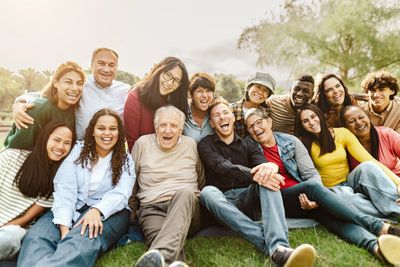
Thank you for thinking of Dementia In Community
We provide education on dementia awareness and risk reduction, and support for people affected by dementia in the Albury Wodonga region to remain engaged and active in their community.
We can support
People living with dementia with a recent diagnosis.
Supporting them to understand their diagnosis and plan for their future.
Family carers and friends
Coaching close relationships to understand communication and behavioural changes to support their person.
Our Indigenous and multicultural communities
Support understanding the diagnosis and assist in finding resources specific to their needs.
Community groups, clubs and organisations wanting dementia education.
Offering easy-to-understand information to bring awareness of brain health and dementia risk reduction.
About Dementia in Community

Our Vision
Our Services
Our Services
We aim to create dementia-friendly communities by utilizing the social model of care, which considers the broader influences on health, such as social, cultural, environmental, and economic factors, rather than focusing solely on disease or injury. This community approach to preventing disease and illness emphasizes education and health p
We aim to create dementia-friendly communities by utilizing the social model of care, which considers the broader influences on health, such as social, cultural, environmental, and economic factors, rather than focusing solely on disease or injury. This community approach to preventing disease and illness emphasizes education and health promotion, while also providing essential dementia resources and support for dementia.
Our Services
Our Services
Our Services
We provide engaging and meaningful activities for those living with dementia and their family carers, along with community education sessions and resources that support the dementia community. Our focus is on fostering dementia-friendly community building and offering essential support for dementia.
Our Approach
Our Services
Our Approach
We are dedicated to enhancing the understanding of dementia within the dementia community and promoting brain health. Our mission is to empower individuals and families through education and dementia resources that foster social inclusion. We offer engaging activities that provide support for dementia to those living with the condition, their family supporters, and the wider community.
Dementia In Community

Dementia Education
We provide essential education on brain health and dementia for the local community, focusing on valuable dementia resources. Our sessions aim to enhance understanding and knowledge of dementia, including factors that could reduce your risk. Topics cover normal brain aging, modifiable risk factors, dementia awareness, and vital support for dementia and connection within our community.
Information sessions and topics we cover
Community Education Sessions

Interactive sessions held in accessible community venues focus on essential topics related to dementia care, communication, and support strategies. These sessions serve as valuable dementia resources and are designed for people of all ages and knowledge levels, providing support for dementia in a welcoming environment.
Understanding dementia
What is dementia? Understanding this condition is crucial for anyone involved in the dementia community. Recognising early warning signs and symptoms can help in seeking appropriate dementia resources. Additionally, understanding how dementia progresses is essential for families and caregivers seeking support for dementia. Furthermore, it's important to distinguish between memory loss due to dementia versus normal brain ageing.
Communication and connection
Navigating changing behaviours
Effective communication strategies within the dementia community become crucial when words become difficult. Utilizing body language, tone, and the right environment can significantly enhance understanding. By validating emotions and reducing frustration, we can ensure that those seeking support for dementia feel heard and supported. Additionally, leveraging dementia resources can aid in improving these communication strategies.
Navigating changing behaviours
Daily care and practical skills
Navigating changing behaviours
Understanding the reasons behind changes in behaviour is crucial for those involved in the dementia community. Responding to agitation, aggression, and anxiety with compassion is essential in providing effective support for dementia. Additionally, managing repetitive questions and actions can be beneficial. Implementing strategies for reducing stress triggers is vital, and utilizing available dementia resources can greatly assist in this process.
Daily care and practical skills
Daily care and practical skills
Daily care and practical skills
Manage daily routines and personal care within a supportive dementia community. Create safe, dementia-friendly home environments using available dementia resources. Focus on nutrition, medication management, and health monitoring to enhance well-being. Additionally, address wandering, sleep issues, and other safety concerns to provide comprehensive support for dementia.
Caregiver self-care and support
Daily care and practical skills
Daily care and practical skills
Recognising caregiver stress, grief, and burnout is crucial, especially within the dementia community. Building a support network and seeking help through available dementia resources can make a significant difference. It's important to find moments of joy and maintain your own identity while providing support for dementia. Additionally, exploring respite care options and taking necessary breaks can help caregivers recharge.